Introduction
A zoo sign does more than name an animal. It teaches, steers foot traffic, warns visitors, protects animals, and ties an exhibit to a conservation goal.
The challenge is that visitors give signs very little time. At Edinburgh Zoo's Living Links exhibit, a PLOS ONE study found only 8.9% of visitors were reading boards or using interactives at any scan. Signs have to earn attention fast.
This guide is for zoo leaders, exhibit teams, educators, and facility managers. It covers sign types, content, design, accessibility, materials, and installation.
Key Takeaways
- Treat species labels, wayfinding, safety notices, and interactives as one coordinated system.
- Keep content short, accurate, and readable while standing or walking.
- Match materials and mounting to exposure, cleaning, vandalism risk, and upkeep.
- Test with real visitors and review signs on a schedule.
Types of Zoo Exhibit Signs
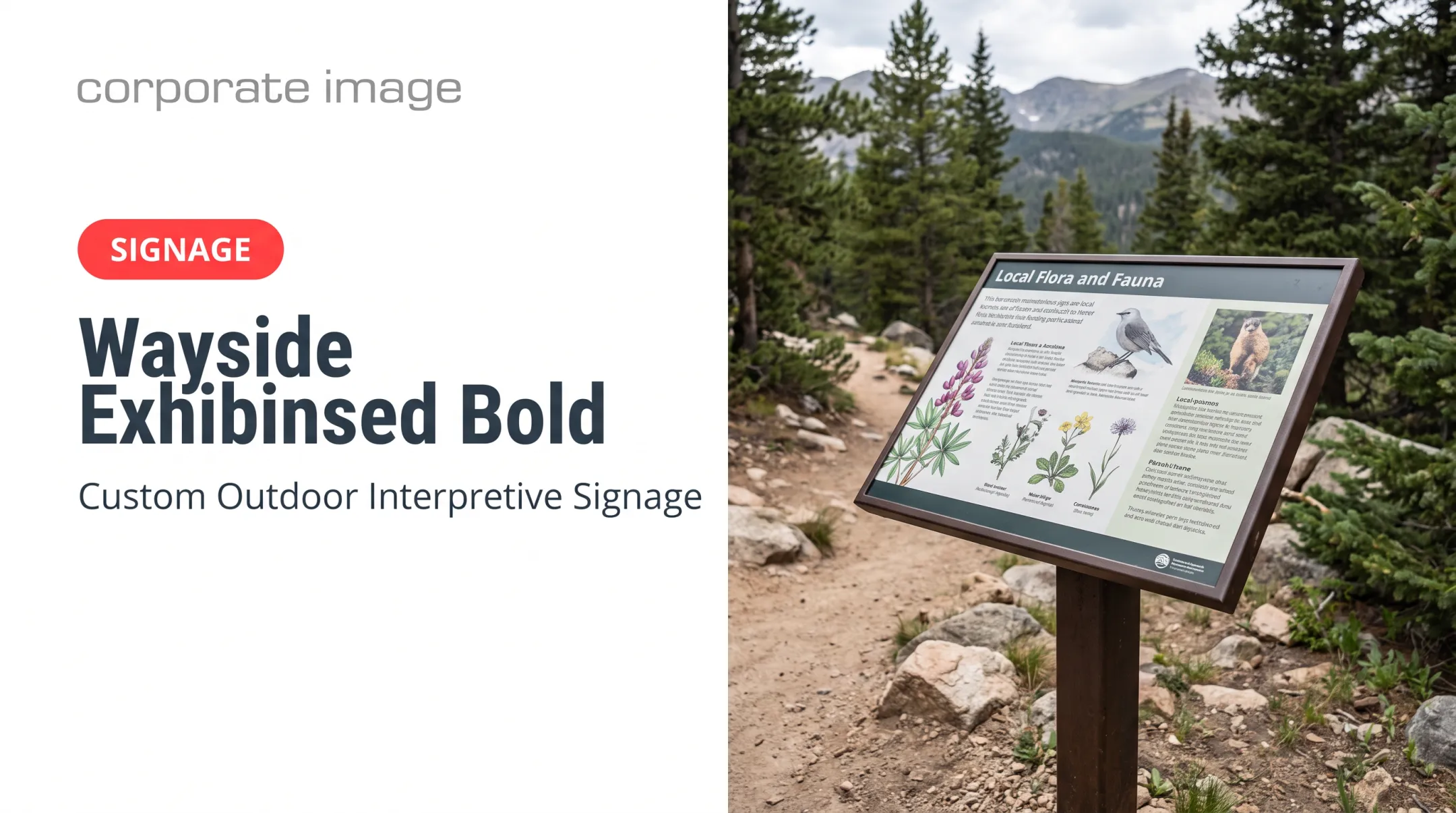
Species Identification and Interpretive Signs
A species label typically includes:
- Common and scientific name
- Image
- Habitat, range, and diet
- Size and behavior
- Conservation status
- Individual-animal details, where relevant
Accreditation standards don't dictate a label checklist. The Association of Zoos and Aquariums (AZA) does require exhibit graphics to be functioning, in good condition, and scientifically grounded.
Verify every fact against current authorities. The Integrated Taxonomic Information System (ITIS) covers taxonomy, and the IUCN Red List covers extinction risk. Name the status system on the label. IUCN categories (Vulnerable, Endangered, Critically Endangered) differ from Endangered Species Act listings, so an unexplained "endangered" badge confuses people.
Wayfinding and Orientation Signage
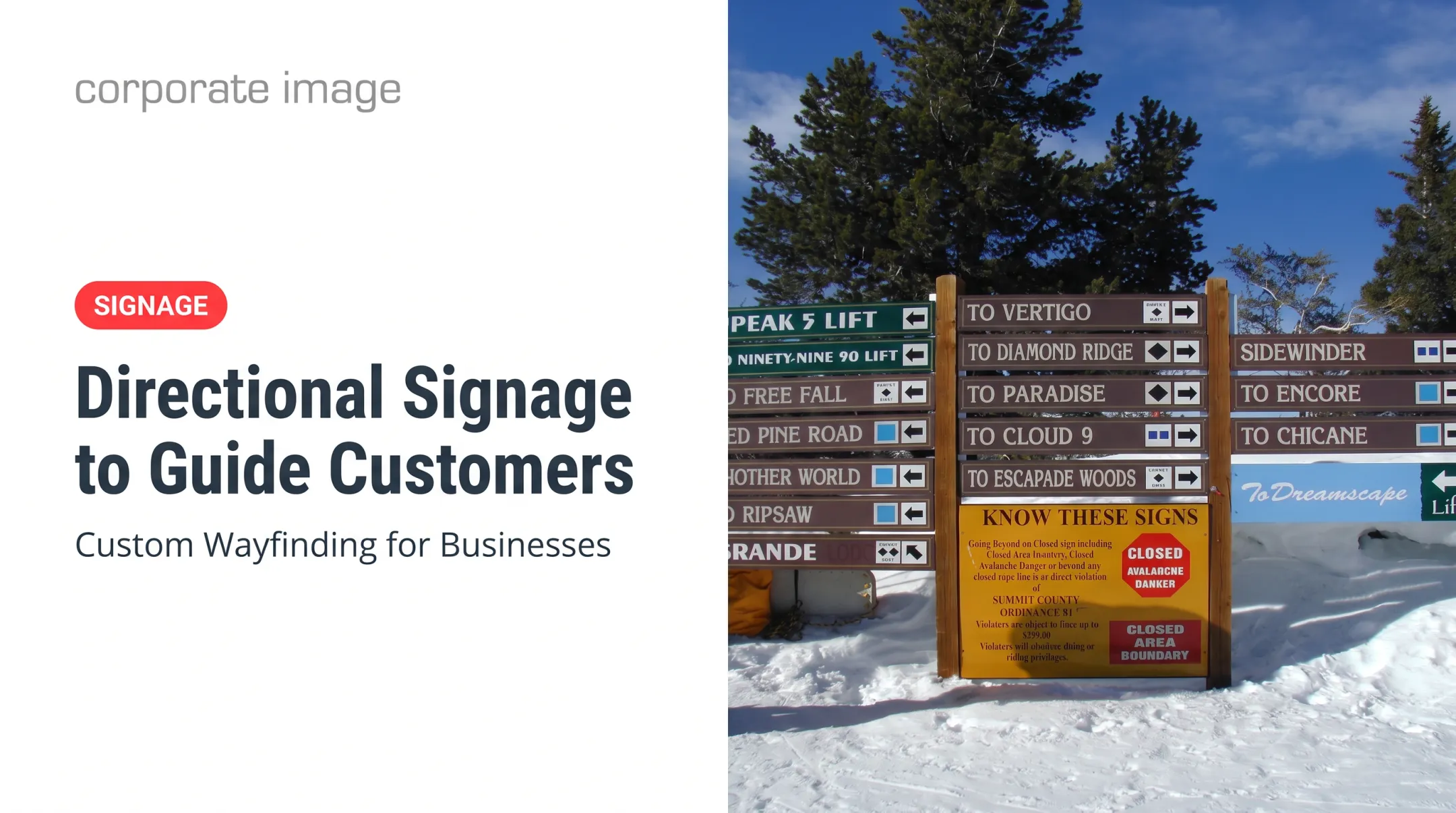
This category covers entrance maps, trail markers, arrows, exhibit identifiers, restroom and dining directions, accessible routes, and exits. Use one system of colors, icons, arrows, and trail names across printed maps, physical signs, and any digital map.
The Los Angeles Zoo did this when similar-looking trails connected over 300 exhibits. SEGD's case record describes named, color-themed routes, matching sign colors, and ceramic dots every 15 feet.
Safety, Rules, and Animal-Welfare Signs
Typical messages include:
- No feeding
- No touching
- Don't tap the glass
- Stay behind barriers
- Follow staff instructions
Pair a recognizable symbol with a few direct words. Firm doesn't have to mean harsh.
Evaluate each message on its own. A field study of 9,813 visitors at Flamingo Land found no-feeding signs reduced feeding, but attempts to touch meerkats increased. A sign can fix one behavior and shift another.
Interactive and Conservation-Focused Signage
Lift panels, tactile elements, matching games, observation prompts, audio links, and QR codes get visitors participating rather than just reading. Zoo New England used QR codes at its penguin exhibit for multilingual facts and conservation details.
Always provide a non-digital alternative for essential information. Not every visitor has a smartphone, signal, or compatible assistive technology.
Branding, Event, Sponsor, and Temporary Signs
This category includes entrance signs, exhibit-opening graphics, seasonal banners, construction notices, closures, donor recognition, and campaign signage. Keep temporary pieces visually consistent with permanent ones, and build them to be revised or removed quickly. A closure notice that outlives the closure erodes trust in every other sign.
Designing Effective Zoo Signage
Build the Content Hierarchy First
Start with the visitor's first questions:
- What animal is this?
- Where do I go?
- What should I do?
- Why does this matter?
Then structure the sign:
- Prominent title
- Short introductory message
- Scannable subheads
- Concise body copy and captions
- Optional deeper content
Smithsonian accessibility guidance suggests:
- Label text of 75–100 words maximum
- Sentences under 25 words (15 preferred)
- Plain English and active voice
That's guidance, not an ADA rule.
Design for Real Viewing Conditions
Viewing distance, visitor height, glare, shade, crowds, and dwell time all affect type size, contrast, and panel dimensions. ADA requires non-glare surfaces and light-on-dark or dark-on-light contrast for covered visual signs, but it sets no numerical contrast percentage.
Run a simple readability check:
- Walk the intended approach path.
- Confirm the most important message reads first.
- Cut anything that can't be read comfortably in the space.
Imagery, Icons, and Animal Symbols
Photos, illustrations, footprints, silhouettes, habitat diagrams, and maps explain things faster than words. Confirm each image shows the correct species and that the zoo has usage rights.
Smithsonian Open Access assets designated CC0 can be used commercially without fees, but that doesn't cover animal photos generally. No standardized animal-icon vocabulary exists, so pick a style and keep it consistent zoo-wide.
Focused, Layered Storytelling
Tie a visible behavior or physical feature to habitat, adaptation, or conservation. Avoid turning panels into textbooks. Instead, layer the story: a short hook for kids, a few facts for general visitors, and deeper content through audio or a QR code.

Language Access and Accuracy
Plan translation early and leave room for longer translated text rather than shrinking type. Shedd Aquarium's Amazon Rising exhibit, for example, has signage fully translated into Spanish.
Document your review process. Education, animal-care, conservation, accessibility, operations, and risk teams should sign off before final proofreading and production.
Materials, Mounting, and Durability
Match Material to Environment
The best choice for an indoor species label differs from an exposed outdoor wayfinding panel or a high-contact interactive station. Weigh manufacturer claims carefully:
| Material | Manufacturer evidence |
|---|---|
| Anodized aluminum (Metalphoto) | Sealed image; resists sunlight, corrosion, abrasion |
| HPL and acrylic (FOSSIL) | Conditional 10-year warranty against fading, peeling, cracking |
| Solid PVC (CELTEC) | Formulated for outdoor signage |
| Aluminum composite (DIBOND) | Aluminum skins over a polyethylene core; outdoor suitable |
| Fiberglass-embedded (Pannier) | Claimed UV resistance and graffiti recovery |
| Vinyl graphics (3M) | Warranty varies by product combination and zone |
Warranties aren't proof of vandal immunity or unchanged color. FOSSIL's warranty excludes misuse and improper installation, and acknowledges some normal degradation. Don't transfer one manufacturer's coverage to another, and request current spec sheets.
Production method matters as much as substrate. Screen printing deposits up to 10 times more ink than digital printing, and on poly plastic it's designed to resist scratching and fading. Vinyl decals on molded fiberglass trail signs have lasted at least 7 years.

Mounting, Placement, and Vandal Resistance
Options include wall mounts, posts, frames, kiosks, low-profile panels, and stable bases. Add rounded corners, protective finishes, and tamper-resistant hardware where risk is high.
Mounting should:
- Preserve animal sightlines
- Avoid trip hazards
- Survive routine cleaning
- Let staff reach the sign for repair
Follow fabricator instructions. iZone, for example, specifies oversized fastener holes for panel movement and mechanical fastening for CHPL thicker than 1/2 inch.
Maintenance and Replacement Plan
AZA requires graphics to stay in good condition, but no universal inspection interval is published. Set your own schedule to check for:
- Fading, peeling, and cracks
- Graffiti and loose hardware
- Outdated facts and broken interactives
- Blocked sightlines
Modular panels, replaceable graphics, and an archive of sign files make updates faster. For cleaning, follow product-specific instructions; FOSSIL says annual soap-and-water washing normally suffices for its panels.
Accessibility, Wayfinding, and Visitor Flow
Design for a Diverse Audience
Your audience includes children, older adults, non-native English speakers, visitors with low vision or cognitive disabilities, school groups, and guests using mobility devices.
Plan for:
- Readable contrast and plain language
- Meaningful icons and sensible mounting heights
- Clear floor space
- Tactile or Braille elements where required
Scope matters under the 2010 ADA Standards:
- Covered permanent room identification signs need tactile characters and Braille.
- Directional and informational signs follow visual requirements but don't automatically need Braille.
- Exit doors require tactile identification.
- Temporary exceptions apply only to signs used 7 days or less.
- Tactile baselines sit 48 to 60 inches above the floor.
- Objects between 27 and 80 inches may protrude no more than 4 inches into circulation paths.
These are federal provisions, not a project-specific determination. Confirm local building and life-safety requirements.
Reduce Confusion and Congestion
Place signs before decision points so visitors choose a route before they reach a crowded intersection. Repeat destination names and arrows along the way, so people can confirm they're on track instead of relying on one sign at the trailhead.
Protect Animal Views While Improving Flow
Signs need to be close enough to read without blocking viewing windows or inviting people to stop in narrow paths. Observe visitors at busy and quiet times, then move or resize signs wherever people stall unsafely.
Connect Physical and Digital Wayfinding
QR codes, mobile maps, audio guides, and live updates can supplement signs but shouldn't replace them. Every essential digital message needs a visible physical equivalent. When you add digital layers, plan for link maintenance, mobile readability, privacy, and weak connectivity.
Test and Measure
Before a large rollout, use short visitor interviews, staff feedback, path observation, accessibility reviews, and comprehension tests. Ask:
- Can visitors find the destination?
- Do they understand the rule?
- Can they identify the animal?
- Can they state the main message?
- Do they recall the conservation takeaway?
SEGD supports path analyses and observed navigation tasks for evaluating wayfinding.
Planning, Production, Installation, and Maintenance
Start With an Audit and Project Brief
Inventory existing signs by location, purpose, condition, audience, material, language, and update frequency. Then document:
- Site measurements and mounting surfaces
- Sightlines, sun, and weather exposure
- Visitor routes and accessibility constraints
- Brand standards and content owners
- Budget priorities and installation windows
Coordinate Research, Design, Fabrication, and Installation
Use a controlled workflow:
- Content research
- Stakeholder approval
- Graphic design
- Translation
- Proofreading
- Production
- Delivery
- Installation
- Final site inspection

Corporate Image, a Salt Lake City graphics company, supports custom signage projects through design, production, and professional installation. The team brings more than 30 years of graphics experience, durable outdoor sign production, and 3M-certified installers.
Maintain a Centralized Signage System
Keep these assets in one place:
- Approved copy and translations
- Image licenses and artwork files
- Material specs and locations
- Revision dates and replacement notes
Assign every sign an owner and a review date. That prevents outdated science, dead QR codes, inconsistent branding, and temporary notices that linger after the issue has ended.
Frequently Asked Questions
What is the sign for a zoo?
There isn't one universal sign. Zoos use several categories: animal identification, interpretive, wayfinding, safety, accessibility, and conservation signs.
What are some good slogans for zoos?
Build slogans around discovery, wildlife protection, learning, connection, and conservation. Keep them original and true to your mission, such as "Come curious. Leave caring."
What are some examples of symbols for animals?
Common choices include silhouettes, footprints, habitat icons, species illustrations, and directional animal markers. Accuracy and consistency matter more than the specific style.
What should be included on a zoo exhibit sign?
Include common and scientific names, key facts, habitat or range, conservation status, and engaging imagery. Add any needed visitor-behavior or accessibility message.
What materials are best for outdoor zoo signage?
It depends on UV exposure, weather, cleaning, vandalism, mounting, and desired service life. Check current manufacturer specifications before choosing a substrate.