Introduction: Shipping Container Signage and Custom Signs
A shipping container is a steel box, but it rarely stays just a box. On job sites it becomes a branded tool crib. At events it turns into a bar or a pop-up shop.
Taco Bell's roughly 1,000 sq ft container restaurant started as a SXSW installation before it moved to South Gate, California.
Signage is what makes those boxes readable. It tells crews which container holds what, warns visitors of hazards, and puts a brand in front of passing traffic. Corrugated steel, rental agreements, and U.S. labeling rules still complicate the job.
This guide covers sign types, design and compliance basics, installation and durability, and how to plan a project.
Key Takeaways
- Branding, wayfinding, safety notices and required markings serve different jobs, so don't treat them as interchangeable.
- Match material to surface, lifespan, weather exposure, viewing distance and ownership.
- High contrast, short messages and proper surface prep drive legibility and longevity.
- Confirm transport, hazmat, workplace and local sign rules before printing graphics.
Why Businesses Use Shipping Container Signage
Construction firms, manufacturers, logistics operators, retailers, restaurants, resorts, event organizers and public agencies all put signs on containers. The goals vary:
- Identify contents or departments
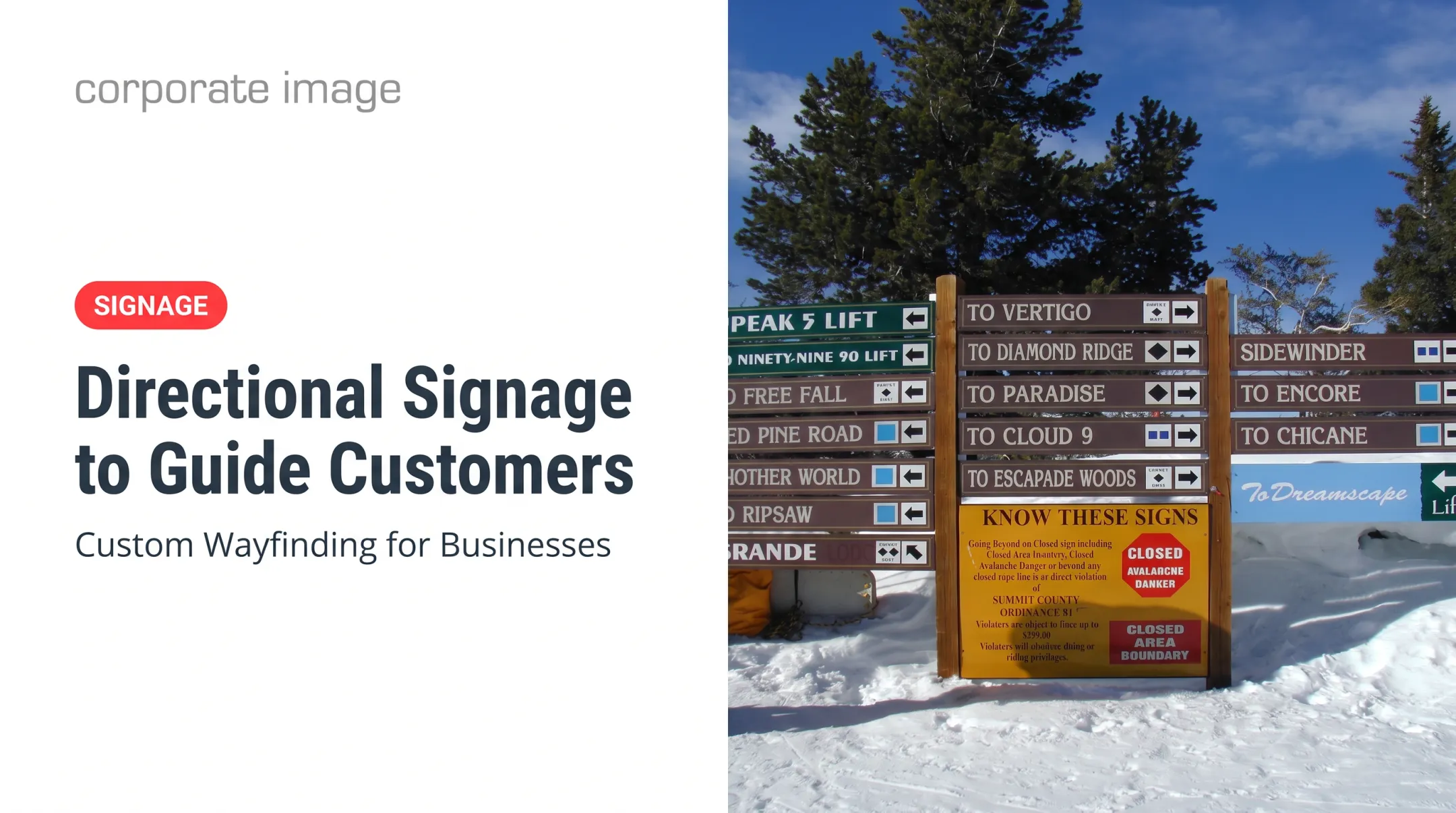
- Guide people across a yard or site
- Communicate safety rules
- Keep a brand visible in changing locations
Consistent graphics matter most when containers move. A branded unit looks the same at a job site, a temporary office, a storage yard or an event, so crews and customers recognize it quickly.
Permanent Branding vs. Reusable Signage
Permanent graphics suit containers you own and keep in one role. Removable graphics, panel signs or no-drill mounts fit better when the box is rented, changes jobs or gets reassigned. If the container will change hands, plan for removal from the start.
Custom Shipping Container Signage Options
Vinyl Graphics, Decals, and Wraps
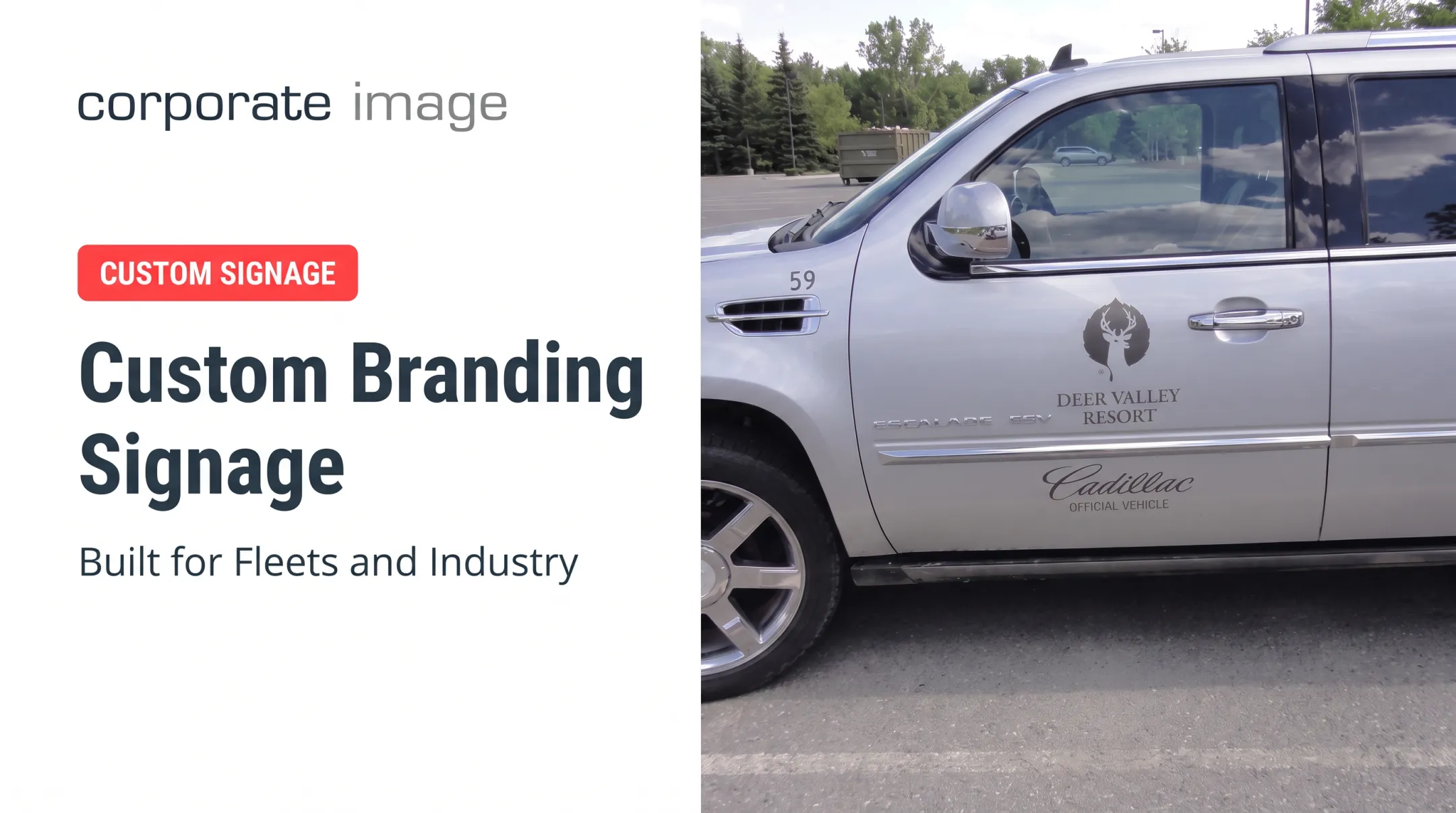
Decals and full or partial wraps carry logos, contact details, directional messages and campaign artwork across doors and side panels. Cast film such as Avery's MPI 1105 conforms to irregular surfaces including corrugations.
Its product data sheet lists up to 7 years printed vertical durability and a 50°F minimum application temperature on corrugations. Those are product-specific figures, not ratings for every film.

Corrugated steel adds work:
- Measure the actual surface, ridges included
- Plan around door seams, hardware and locking bars
- Choose film and laminate rated for outdoor exposure
Rigid Panel and Bolt-On Signs
Panels work when you need a defined shape, high contrast or replaceable messaging. Common substrates:
- Aluminum composite (DIBOND): prepainted aluminum over a polyethylene core, about half the weight of solid aluminum sheet
- Expanded PVC (SINTRA XT): extra-thick gauge for exterior use
- HDPE (King ColorCore): engravable and stabilized for harsh outdoor conditions
Panels suit container numbers, department names, site rules, directional arrows and temporary event messages. Material specs don't establish wind rating, so the mounting design still has to be checked.
Painted, Dimensional, and Digital Signage
Painted logos have worked on container projects. PUMA City's exterior logo was painted. Raised lettering, illuminated elements and digital displays add permanence, but they also bring power needs, maintenance and permit questions.
Seattle, for example, requires a permit for signs over 5 sq ft or any using electrical power. Check your local rules.
Temporary and Reusable Attachment Systems
For rented containers or sites where drilling and welding are off limits, options include:
- Corner-casting clamp mounts, such as Domino Clamps' utility pole system, which attach without drilling or welding
- Magnetic signs, which need clean, dry, smooth steel and don't work on repainted surfaces, aluminum or plastic
- Freestanding signs placed beside the unit
Choose by sign weight, wind exposure, door access, container handling and the owner's modification rules.
Design, Labeling, and Compliance Considerations
Start With the Sign's Purpose
Decide first whether the sign brands, identifies, directs, warns, informs, or satisfies a regulation. That choice sets format and placement.
Then work through the viewing conditions:
- Message length and viewing distance
- Lighting and traffic flow
- Audience, such as drivers, pedestrians, or crane operators
The U.S. Sign Council's guide uses a benchmark of roughly 1 inch of letter height per 30 feet of legibility distance for perpendicular signs. Parallel signs use a different model, so treat it as a starting point and test it.

Required Labels Versus Optional Branding
A logo or wrap never replaces a required marking. Which rules apply depends on contents, transport mode, industry, and location.
| Area | What to know |
|---|---|
| Container identity | ISO 6346 identification: 3-letter owner code, category letter U, 6-digit serial, 1 check digit |
| CSC safety plate | 49 CFR Parts 450-452 cover approval and examination for containers in international transport; not blanket rules for every stationary unit |
| Hazmat placards | 49 CFR 172.504 and 172.512 require placards on each side and end for covered freight containers; placards must stay 3 inches from advertising |
| Workplace signs | OSHA 1910.145 and 1926.200 address hazard signs based on the actual workplace hazard |
| Local rules | Sign permits and zoning vary by city |
Advertising that could be confused with a placard is prohibited. Confirm requirements with the relevant authority, not marketing guidance.
Brand Consistency and Readability
- Use high contrast and short messages
- Build a clear hierarchy with one dominant element
- Leave generous negative space
- Use recognizable symbols over long text
Review a scaled mockup before production. Keep graphics off door seams, locking bars, corner castings, lifting points, and vents.
Installation, Surface Preparation, and Durability
Surface Assessment and Preparation
Inspect for rust, peeling paint, dirt, oil, moisture, dents, and uneven coatings before choosing an adhesive, panel, or paint system. 3M's substrate guidance calls for removing corrosion and priming or repainting bare metal before graphics. Film does not go over rust.

Good prep looks like this:
- Clean and dry the surface right before application
- Repair damage and prime where needed
- Let fresh paint fully cure, since uncured paint causes bubbles
- Test a small area for adhesion
Choosing an Attachment Method
| Method | Best for |
|---|---|
| Adhesive graphics | Owned containers, long-term branding |
| Rigid panels | Replaceable messages, standoff from ridges |
| Clamps and brackets | Rented or temporary setups |
| Bolts or welds | Permanent, owner-approved installs only |
| Freestanding | No contact with the container |
Published rental terms from providers like Conexwest say renters shall not alter units. Don't drill or weld without written owner approval.
Designing for Outdoor and Industrial Conditions
Plan for the conditions the container will actually see:
- UV, rain, snow, and temperature swings
- Wind, abrasion, and chemicals
- Forklift traffic and repeated handling
Match the substrate, ink, laminate, fasteners, and installation method to that environment. No single material suits every container.
Maintenance and Replacement
Inspect regularly for:
- Lifted edges, fading or cracking
- Corrosion or loose hardware
- Signs blocking doors
- Damaged labels
- Outdated required information
Clean or repair minor wear. Replace signs that fail. Redesign when the container's location, use, ownership, or contents change.
Choosing a Signage Provider and Planning the Project
A typical shipping container signage project follows this sequence:
- Collect dimensions and photos
- Define the sign's purpose
- Review surface and site conditions
- Develop artwork
- Confirm required markings
- Approve a proof
- Produce and install
The International Sign Association says projects may take up to 8 weeks depending on complexity, so build in lead time.
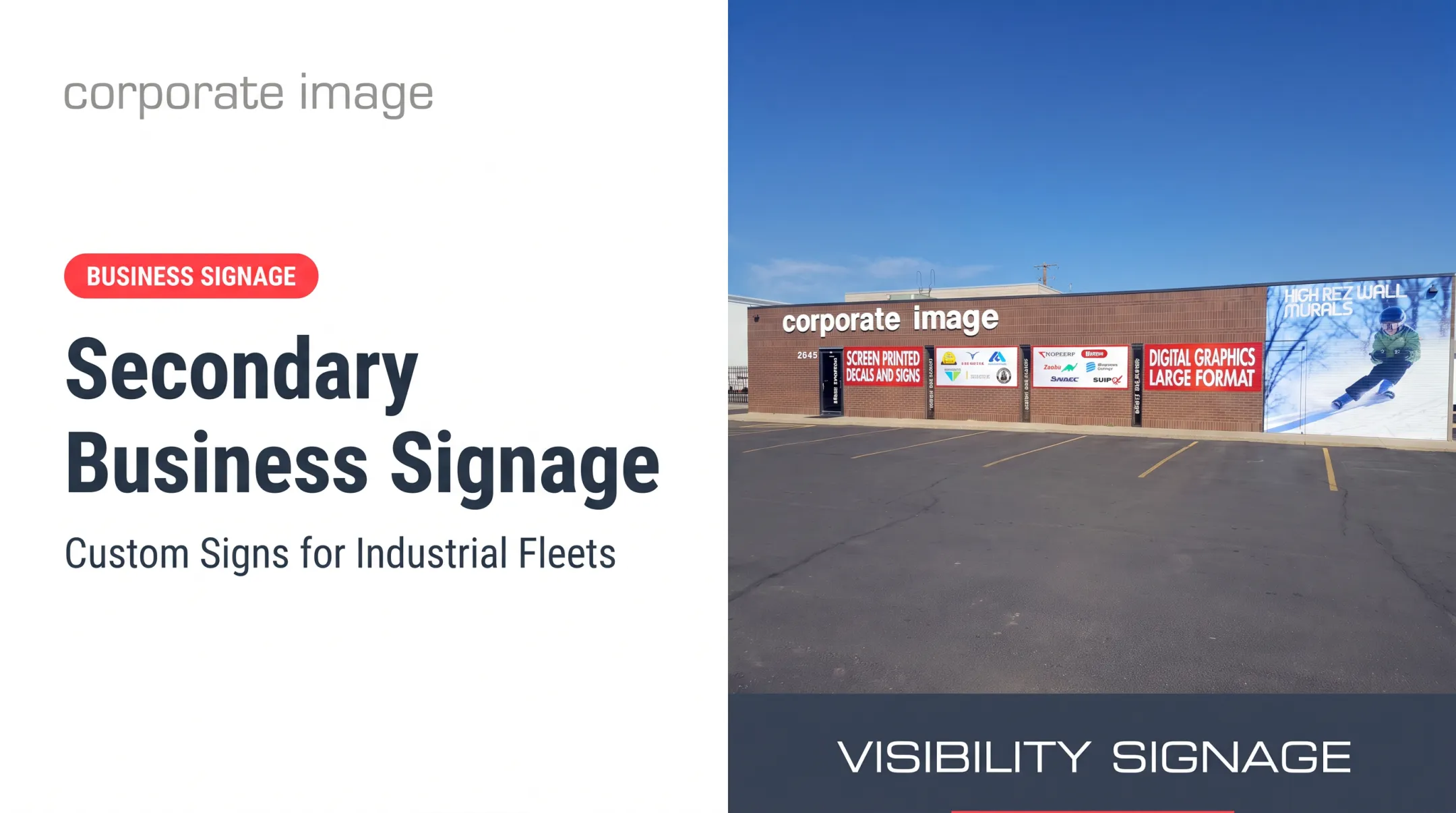
Corporate Image, a Salt Lake City company with more than 30 years of experience, handles design, production and installation in one place. It is a 3M Certified Graphics Installation Company and works on demanding surfaces such as container walls, machinery, and building exteriors. It does not certify regulatory compliance, so confirm required markings separately.
When requesting a quote, have these ready:
- Ownership details (owned, rented, leased)
- Dimensions and surface condition
- Viewing distance and desired message
- Brand files and required labels
- Installation location and reuse plans
- Deadline
Frequently Asked Questions
What are the labeling requirements for shipping containers?
They depend on contents, transport method, hazmat status, job-site use and jurisdiction. Check current U.S. authorities such as DOT and OSHA. Custom branding never replaces mandatory labels.
What is the best material for shipping container signage?
It depends on the job. Vinyl suits owned containers with long-term branding, rigid panels suit replaceable signs, and painted graphics suit permanent finishes. Weigh surface condition, weather, viewing distance and ownership.
How do you attach a sign to a shipping container without drilling?
Use corner-casting clamps, brackets, magnets on clean unpainted steel, or freestanding signs. Consider sign weight, wind, placement and owner approval.
Can custom graphics be applied to a rented shipping container?
Possibly, using removable graphics or non-invasive mounts. Review the rental agreement and get the owner's approval first.
How do I make container signs readable from a distance?
Keep messages short, letters large and contrast high. Consider viewing angle, lighting and placement, and review the proof at the intended distance.
How long does shipping container signage last outdoors?
It varies with material, prep, sunlight, weather, abrasion, handling and maintenance. Published film durability isn't a warranty, so ask your provider to recommend materials for your environment.