This guide covers current U.S. pricing estimates, what drives the quote, how materials and labor play in, and how to set a budget that holds up.
Key Takeaways
- Estimates run from roughly $600 for light partial graphics to $20,000+ for a full tractor and trailer.
- Coverage, material, artwork, prep, and installation difficulty drive most of the price.
- Partial coverage and standard printed designs cost less than full, premium, custom jobs.
- The cheapest quote often leaves out prep, laminate, removal, or warranty support.
How Much Does a Semi Truck Wrap Cost? (Pricing Overview)
No universal price exists. A tractor and trailer can be quoted as separate units or as one branding project, and providers define "full" differently. Every figure below is a published 2026 estimate from U.S. providers, not a fixed price.
Typical Cost Range
| Configuration | Estimated range | Notes |
|---|---|---|
| Light partial tractor (day cab) | About $600 and up | Limited coverage |
| Full sleeper cab | Up to about $5,500 | Varies with sleeper size |
| Partial 53-ft trailer | $2,500-$5,000 | Upper panels and rear doors |
| Full 53-ft trailer | $4,500-$12,000 | Wide spread by provider and detail |
| Tractor and trailer | $8,000-$20,000+ full; $2,500-$8,000 partial | Cast vinyl, professional install |

Sources: Total Truck Branding for cab figures, SpeedPro Windy City for trailer figures, and 2wrap's guide for complete rigs. These are provider-specific benchmarks, not national averages.
What Each Category Covers
- Partial graphics: logos, lettering, side panels, reflective elements, or select trailer areas. A good fit when full coverage isn't needed.
- Cab only: sleepers have more area than day cabs. Hood design, contours, mirrors, fairings, and door coverage all move the quote.
- Trailer only: a full 53-foot dry van runs about 480 sq ft per side plus 80 sq ft of rear doors. Reefers, flatbeds, and curtain-sides price differently, and flatbeds usually get headboard wraps or side-rail decals.
- Tractor and trailer: more surface, more installation hours, and coordination across two units.
Published ranges generally cover printing, vinyl, and installation. Design, laminate, old-graphic removal, travel, taxes, repairs, and maintenance may be extra. Confirm what each quote includes before you compare.
Key Factors That Affect the Cost of a Semi Truck Wrap
The final quote reflects physical scope, technical demands, labor, materials, and logistics.
Coverage and Project Configuration
Each added panel or unit adds film and installation time. Extra cutting, trimming, and alignment work typically comes from:
- Sleeper cabs and fairings
- Fuel tanks, steps, and doors
- Rear headers, skirts, and liftgates
Trailer Size and Surface Construction
Length, height, rivets, seams, and curves affect both film use and labor.
Corrugated sides need extra care. 3M's trailer bulletin gives surface-specific procedures and warns against bridging corrugation valleys, then forcing the film into them. It also advises against its covered films on soft-sided curtain trailers, where edge adhesion can fail.
Vinyl, Laminate, and Finish
Premium cast film conforms to compound curves, channels, and rivets. Calendered film suits flat or simply curved areas and can shrink when stretched. Clear overlaminate protects printed graphics.
- Premium cast film costs more upfront but lasts longer on contoured surfaces
- Printed life is shorter than unprinted: one premium cast film lists up to 7, 5, or 3 years by climate zone vs. 10 years unprinted
- Warranty terms depend on approved film, ink, and laminate combinations
- Reflective branding film and DOT-certified conspicuity tape are separate products
The cheapest material rarely suits high-mileage fleets, harsh weather, or frequent washing.
Artwork and Design Complexity
Custom artwork, many colors, photo-quality printing, small text, tight panel-to-panel alignment, and multiple revisions all raise design and production time. Supplying production-ready files can trim design charges. The installer should still verify scale, resolution, color, and placement.
Truck Condition and Surface Preparation
Washing, degreasing, adhesive residue removal, and old-graphic removal come before any new film goes on. Rust, dents, oxidation, and failing paint hurt adhesion and shorten wrap life. 3M requires corrosion removal and refinishing of bare-metal spots before application. Repairs add cost.
Installation Logistics, Fleet Volume, and Downtime
Shop labor rates, access, climate-controlled space, travel, rush deadlines, and overnight work all matter. SpeedPro publishes 1-3 installation days for a 53-ft dry van, plus 2-3 weeks of design and printing. Time out of service has its own cost.
Fleet volume can help. Total Truck Branding offers special pricing at 5+ units, and SpeedPro at 3+ trailers. Approved artwork, retained design files, and staged scheduling spread setup costs. No universal discount exists, and each truck still needs inspection and prep.

Cost Breakdown of a Semi Truck Wrap
Vinyl is only one line item on the invoice. Treat the full project as one-time, conditional, and periodic costs.
One-Time Costs
- Design and artwork: concept, vehicle templates, mock-ups, revisions, production files, and adapting one design across tractor and trailer models
- Vinyl, printing, and laminate: film, ink, color matching, waste allowance, protective laminate, reflective elements, and specialty materials
- Installation and logistics: application, alignment, trimming, post-heating, access equipment, travel, and staging
Conditional Costs
These apply when the truck isn't installation-ready:
- Surface cleaning and prep
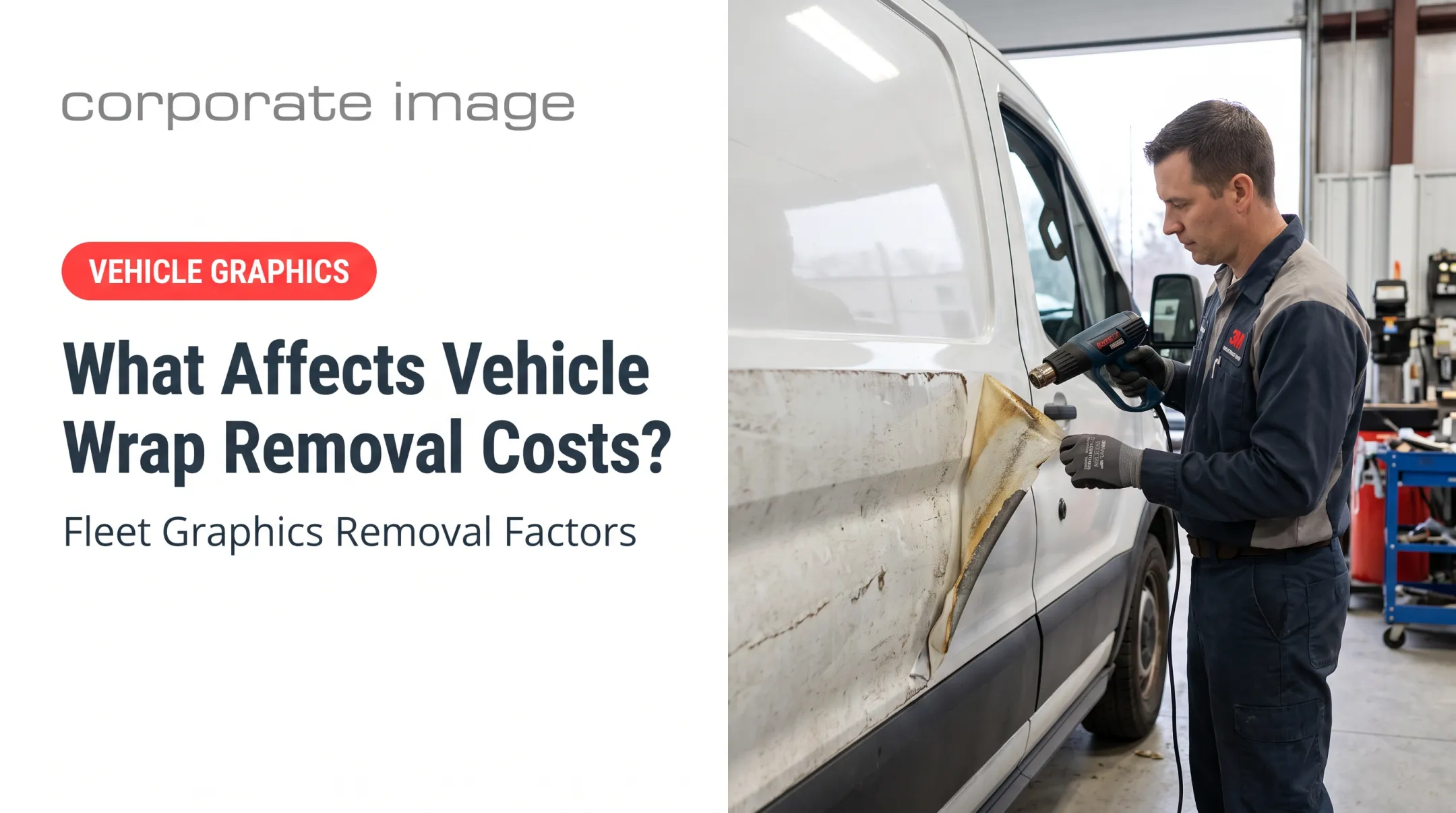
- Adhesive and old-wrap removal
- Body repairs before install
3M notes that aged film can turn brittle, tear into small pieces, and leave adhesive residue that slows removal.
Recurring and Periodic Costs
- Touchless washing and periodic inspection (3M caps pressure washing at 1,200 psi and 140°F)
- Repairs to damaged panels
- Professional removal and rebranding
- Eventual replacement
How to Estimate the Right Budget and Avoid Costly Mistakes
Start with purpose. Is the wrap for brand awareness, fleet consistency, paint protection, a temporary campaign, or long-term identity? That answer shapes coverage and material.
Quote-Preparation Checklist
- Tractor and trailer make, model, and dimensions
- Clear photos of every panel
- Desired coverage areas
- Current paint condition and any old graphics
- Artwork files, if you have them
- Material preference
- Deadline and operating location
- One vehicle or a fleet
Budget vs. Premium Options
A lower-cost project uses limited coverage and standard materials. A premium project adds cast film, custom printing, laminate, complex contours, heavy prep, and full tractor-and-trailer coverage.
Spend more when trucks face constant highway exposure, harsh weather, long service intervals, strict brand standards, or when you want a warranty-backed finish.

What Most People Miss
- Quotes often define coverage differently, so two "full wraps" may not match
- Design, laminate, prep, travel, taxes, and removal may be missing from the lowest bid
- Conspicuity rules apply: 49 CFR 393.11 requires DOT conspicuity treatment on qualifying trailers, so graphics must leave room for it
Ask each installer to itemize materials, artwork, prep, installation, warranty terms, expected service life, maintenance needs, and exclusions.
For fleets in Utah and the Intermountain region, Corporate Image handles design, production, and professional installation under one roof.
The Salt Lake City company brings more than 30 years of graphics experience and is a 3M Certified Graphics Installation Company.
Call 801-485-0103 for a project-specific quote rather than a generic number.
Conclusion
Semi-truck wrap pricing depends mainly on coverage, rig configuration, material, design, surface condition, installation complexity, and logistics. A sound budget covers the whole lifecycle, including prep, maintenance, and eventual removal, not just the vinyl. The best option balances appearance, durability, downtime, brand consistency, and long-term value.
Frequently Asked Questions
How much does it cost to wrap a semi-truck?
Published 2026 estimates put a full sleeper cab around $5,500, a full 53-ft trailer at $4,500-$12,000, and a full tractor and trailer at $8,000-$20,000+. Configuration, coverage, materials, and prep set the final quote.
Is it cheaper to paint or wrap a truck?
Direct paint-versus-wrap price comparisons are hard to trust because scopes differ. A wrap offers design flexibility, reversibility, and paint protection. One truck group has cited 3-4 weeks of downtime for semi paint jobs, versus days for installing a wrap.
How long do wraps last on trucks?
There is no single lifespan. Film quality, installation, sun and weather exposure, mileage, washing, and surface condition all matter. Horizontal surfaces such as roofs and hoods wear faster than vertical panels.
What is included in the cost of a semi-truck wrap?
Quotes may bundle design, printing, laminate, materials, prep, installation, and finishing. Removal, repairs, travel, taxes, and future replacement are often separate, so ask for an itemized quote.
How much does it cost to wrap only a semi-truck cab or trailer?
Cab-only work ranges from about $600 (light partial) to about $5,500 (full sleeper). Trailer-only runs from $2,500 for partial coverage to $12,000 for a full 53-ft wrap. Trailer length, surface type, artwork, and condition shift each estimate.
Does fleet volume reduce the per-truck cost?
Often, yes. Approved artwork, repeated specs, bulk material planning, and coordinated installs can lower some per-unit costs. Each truck may still need its own inspection and prep, and discount thresholds vary by provider.